
Seattle vs. San Francisco: two cities, different fee distributions
September 14, 2026
Recently, we pulled restaurant fee data for two of our largest metro areas: the San Francisco Bay Area and the Seattle area. The restaurant list itself comes from the Overture Maps’ public places dataset, which gives us every restaurant-like business we can find in each metro. From there, a pass checks each one’s own website or posted policy for fee or tipping language, and we publish what it finds. Large chains like Starbucks are excluded throughout, since a handful of chains with hundreds of near-identical locations would otherwise drown out everything else.
Out of over 9,200 restaurants in the Bay Area and about 3,200 in the Seattle area, we got a conclusive finding straight from a first-party source, the restaurant’s own website or menu, for about 940 in the Bay Area and 320 in Seattle: no tip, standard tip, or a service fee. The rest are unconfirmed: checked, with no fee language found stated anywhere, not assumed to be standard tipping.
From these conclusive restaurants, both metros actually lean the same way: standard tipping is the most common outcome in both, 57% in the Bay Area and 64% in Seattle. San Francisco just has a bigger service-fee share on top of that, 42% versus 34% in Seattle. No-tip restaurants are a small sliver everywhere once chains are out of the count, about 1-2% in both.
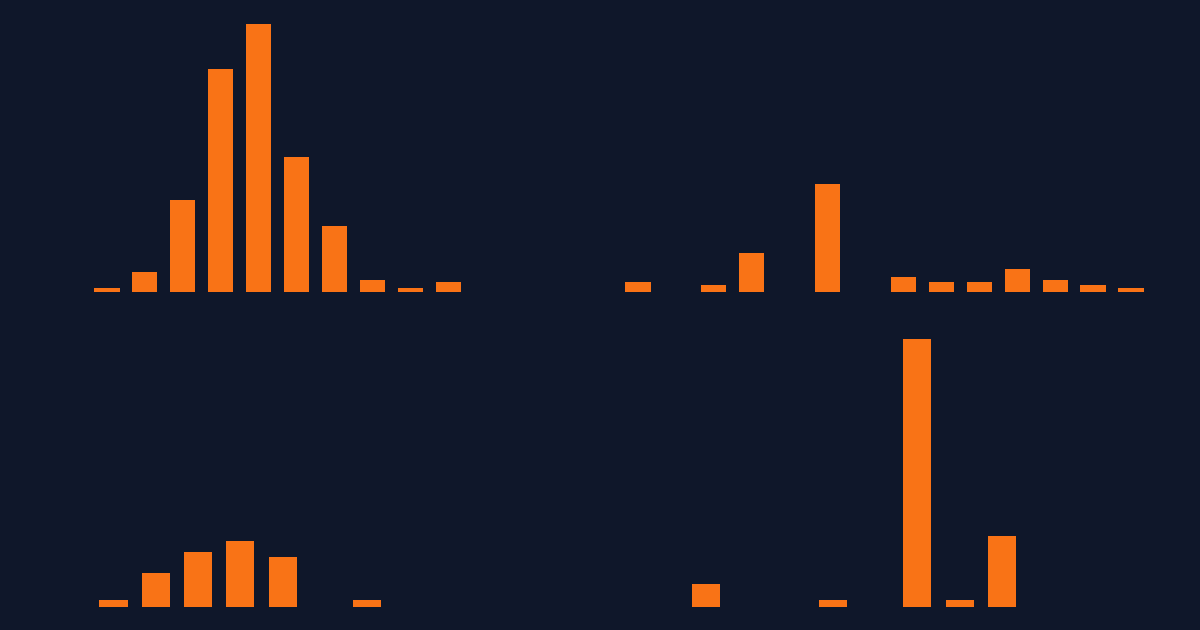
However, there is a clear difference in how the fee amounts are distributed. San Francisco’s fees mostly cluster in the 4-6% range. Seattle’s are overwhelmingly one thing instead: a flat service charge, usually 20-22%, that replaces the tip outright.
Required fees (%) in San Francisco
Restaurants with mandatory tip or service fees, by percent. ~390 restaurants with conclusive mandatory fees.
Required fees (%) in Seattle
Restaurants with mandatory tip or service fees, by percent. ~110 restaurants with conclusive mandatory fees.
This may be due to what the fee actually is. San Francisco’s service fees mention health care, an employer mandate, or a similar surcharge more than a third of the time. San Francisco requires larger employers to spend a set amount on employee health care, and a lot of restaurants pass that cost through as a line item. Seattle’s fees almost never carry that language.
That tracks with the actual fee names we keep running into. In the Bay Area, restaurants commonly use:
- SF Employer Mandate / SF Health Care Mandate
A health-care surcharge tied to San Francisco’s employer health-spending law, usually 3-6%. - Living Wage surcharge / Cost of Living Allocation
Framed around paying staff more, usually 4-6%. - Back-of-house (BOH) service charge
A smaller add-on earmarked specifically for kitchen staff, usually 2-3.5%. - Standard service charge
A flat 20%+ that replaces the tip outright, the same kind found everywhere else.
In Seattle, it’s a shorter, more uniform list:
- Service charge
A flat 15-22% (most often 20%) that replaces the tip. This is most of what we’ve found. - Operational fee / card surcharge
A small 1-5% add-on tied to processing or operating costs, not staff pay. - Kitchen surcharge
Occasionally called out as shared specifically with cooks and dishwashers.
It’s important to understand what San Francisco’s city mandates actually require. The law obligates the employer to fund a set amount of employee health care, not to collect that amount from customers. Passing the cost through as a line item on the check is the restaurant’s own choice, not something the law requires. Seattle’s restaurant fees don’t seem to have that framing at all: there’s no explicit city mandate behind a 20% service charge, just the restaurant’s own policy, presented as a flat number instead of a specific cost.
This is coverage so far, not a finished picture. Most restaurants in both metro areas are still unconfirmed, and that number keeps shrinking as we check more. But the shape of what we already have is distinct: San Francisco’s fees cluster small and are usually about health-care costs. Seattle’s cluster large and are usually just the tip renamed.
For more, broken down by every metro we cover and updated as we add restaurants, see our Stats page.